
A trusted Scrum Master is the person a product owner or executive asks for when the release date is fixed, the budget is under a microscope and the customer is watching. Not the one who runs the neatest ceremonies. Not necessarily the one with the most certificates. The one leaders believe will tell them the truth, protect the team and still get the work over the line.
If you have watched the same few Scrum Masters get every important programme while equally capable colleagues are left with low-risk teams, you have seen the trust premium at work. It shows up in promotions, pay and the projects you are offered. The good news is that it can be built deliberately.
This guide explains what a trusted Scrum Master does differently, why leaders keep choosing them, and how you can build the same reputation, whether you work in Sydney, Melbourne, Brisbane, Perth, Adelaide or Canberra. You will also see which Scrum Master courses help most, and where to start.
What Is the Trust Premium for a Trusted Scrum Master?
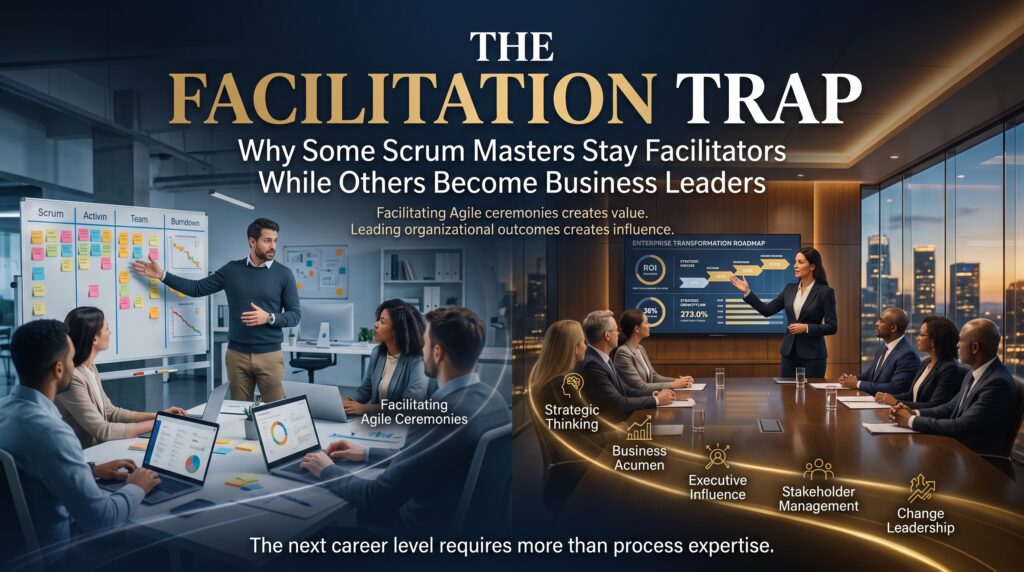
The trust premium is the extra opportunity, autonomy and pay that goes to Scrum Masters leaders consider a safe pair of hands. Two people can share a title and the same certification. One is placed with the payments platform rebuild, the regulatory deadline or the multi-team release train. The other keeps supporting stable teams with modest goals. The gap is rarely knowledge of Scrum. It is confidence.
Think about it from the stakeholder’s side. A high-stakes project is one where failure is costly, visible or both. Assigning it to someone unproven is a personal risk for the person making the call. So they choose the Scrum Master whose behaviour they can already predict. That is the entire premium: less doubt for them, more responsibility for you.
Research such as the Edelman Trust Barometer shows that people back those they see as both competent and ethical, and the same logic applies inside organisations. The Scrum Guide builds this into the framework itself through the Scrum values of commitment, focus, openness, respect and courage. A trusted Scrum Master is simply someone who lives those values when it is inconvenient.
Why Leaders Keep Choosing the Same Few Scrum Masters
Leaders are not really choosing a facilitator. They are choosing a risk profile. When they scan the options for a high-stakes project, they quietly ask four questions:
- Will I be surprised? Predictable people get the big projects because surprises end careers.
- Will I hear about problems early? A blocker raised in week one is a conversation. A blocker discovered at sprint review is a crisis.
- Will this person stay neutral? Leaders want someone who serves the team and the goal, not someone who takes sides.
- Will the team back them? A Scrum Master the team does not trust cannot coach anyone.
None of these is about knowing the framework better than everyone else. Every one of them describes a trusted Scrum Master, and each can be learned.
6 Trust Signals That Set a Trusted Scrum Master Apart
1. They Make Problems Visible Early
Every sprint has a rough patch. What people remember is how quickly they heard about it. A trusted Scrum Master brings impediments into the open while they are still small, explains the impact in plain business terms and arrives with options. Hiding a slipping sprint goal to keep the mood positive is the fastest way to lose credibility.
In practice it sounds like this: “The third-party API will not be ready until next Thursday. We can mock it and keep building, or swap two stories forward. I would mock it, and here is what we give up.” One short message, and the product owner knows the situation is under control.
2. They Protect the Team’s Focus Without Hiding From Stakeholders
Teams trust Scrum Masters who absorb interruptions and shield them from constant scope changes. Stakeholders trust Scrum Masters who stay accessible and explain the team’s capacity honestly. The people chosen for every high-stakes project do both: they guard the sprint and keep the door open.
3. They Forecast With Data, Not Hope
Trust grows when predictions come true. Reliable Scrum Masters use velocity, cycle time and burndown trends to give ranges rather than single dates, and they are upfront about the assumptions behind them. If your forecasts are consistently close, leaders stop second-guessing you. If they are consistently rosy, they stop believing you.
4. They Stay Neutral and Help Decisions Get Made
A trusted Scrum Master does not push their own preferences. They make sure the right people are in the room, the options are clear and the decision, and its owner, are recorded. Neutral facilitation reduces politics, and reduced politics makes projects safer to hand over.
5. They Live the Scrum Values Under Pressure
Nobody trusts a Scrum Master who is transparent in easy sprints and defensive in hard ones. Openness and courage matter most when the pressure peaks. That means saying “we will not hit this scope” out loud, protecting the retrospective even in a crunch and treating mistakes as learning rather than blame.
6. They Keep Building Their Craft
A certification does not create trust by itself, but it shortens the time leaders need to feel confident in you. It shows you understand the framework properly and take your profession seriously. The course options are covered in the certification section below.
Trusted Scrum Master vs Ceremony-Only Scrum Master
| Situation | Trusted Scrum Master | Ceremony-only Scrum Master |
| Impediments | Surfaces them early with impact and options | Waits for the retrospective or hopes they clear |
| Sprint progress | Honest, data-backed, decision-focused | Always “on track” until suddenly it is not |
| Forecasts | Ranges, assumptions and a track record | Single dates, optimistic by default |
| Stakeholders | Keeps them informed before they ask | Appears only when something goes wrong |
| Accountability | Owns the process, credits the team | Blames the product owner, dev team or “the business” |
| Under pressure | Consistent tone, protects team focus | Reactive, drops ceremonies first |
| Learning | Certified, reflective, coaches beyond the team | Repeats the same ceremonies without change |
What Quietly Costs Scrum Masters Trust
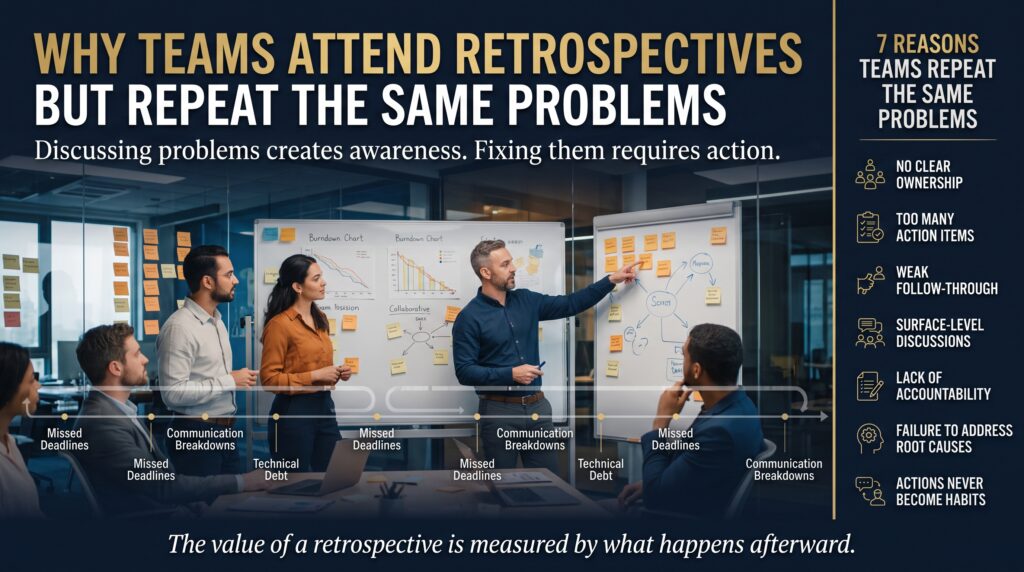
Most Scrum Masters who get passed over are not bad at Scrum. They are leaking trust in small ways. Watch for these:
- Reporting green while the team privately knows the sprint goal is at risk
- Letting stakeholders inject work mid-sprint to avoid an awkward conversation
- Running ceremonies by rote instead of asking whether they still help
- Taking sides between the product owner and the developers
- Measuring output (“we closed 40 tickets”) instead of outcomes
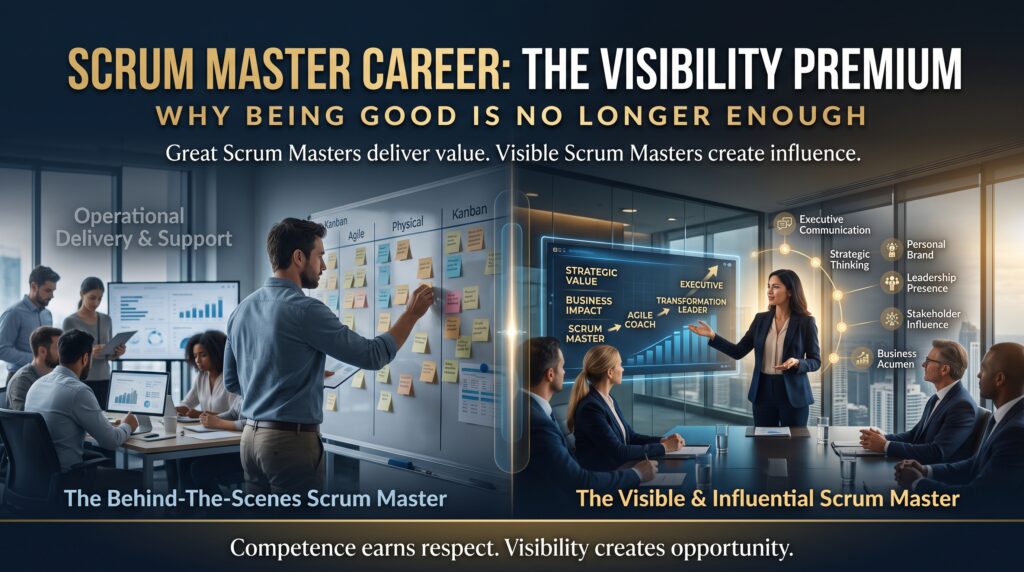
- Disappearing from view between sprint reviews
The fix is rarely dramatic. It is a run of small, dependable behaviours that add up to a reputation.
How to Become a Trusted Scrum Master: A 90-Day Plan
Days 1 to 30: Listen and Set the Baseline
- Ask your product owner and one senior stakeholder what a successful release looks like to them.
- Make your team’s impediments visible on a simple, shared board.
- Review your last five sprint forecasts against actual results and note why they differed.
Days 31 to 60: Prove Reliability
- Share a short, honest sprint summary at the same time every sprint, always with one decision or risk highlighted.
- Raise your next blocker early, with two options. Notice how the conversation changes.
- Enrol in Agile Scrum Foundation (BCS/EXIN) to add a recognised framework to your experience.
Days 61 to 90: Widen Your Influence
- Offer to present a sprint outcome or a retrospective insight to a senior audience.
- Ask a stakeholder outside your team for direct feedback on how you communicate.
- Volunteer for a higher-stakes team, then step up with Agile Scrum Practitioner (BCS/EXIN) or iSQI Scrum Master Pro Certification.
Do Scrum Master Certifications Help You Become a Trusted Scrum Master?
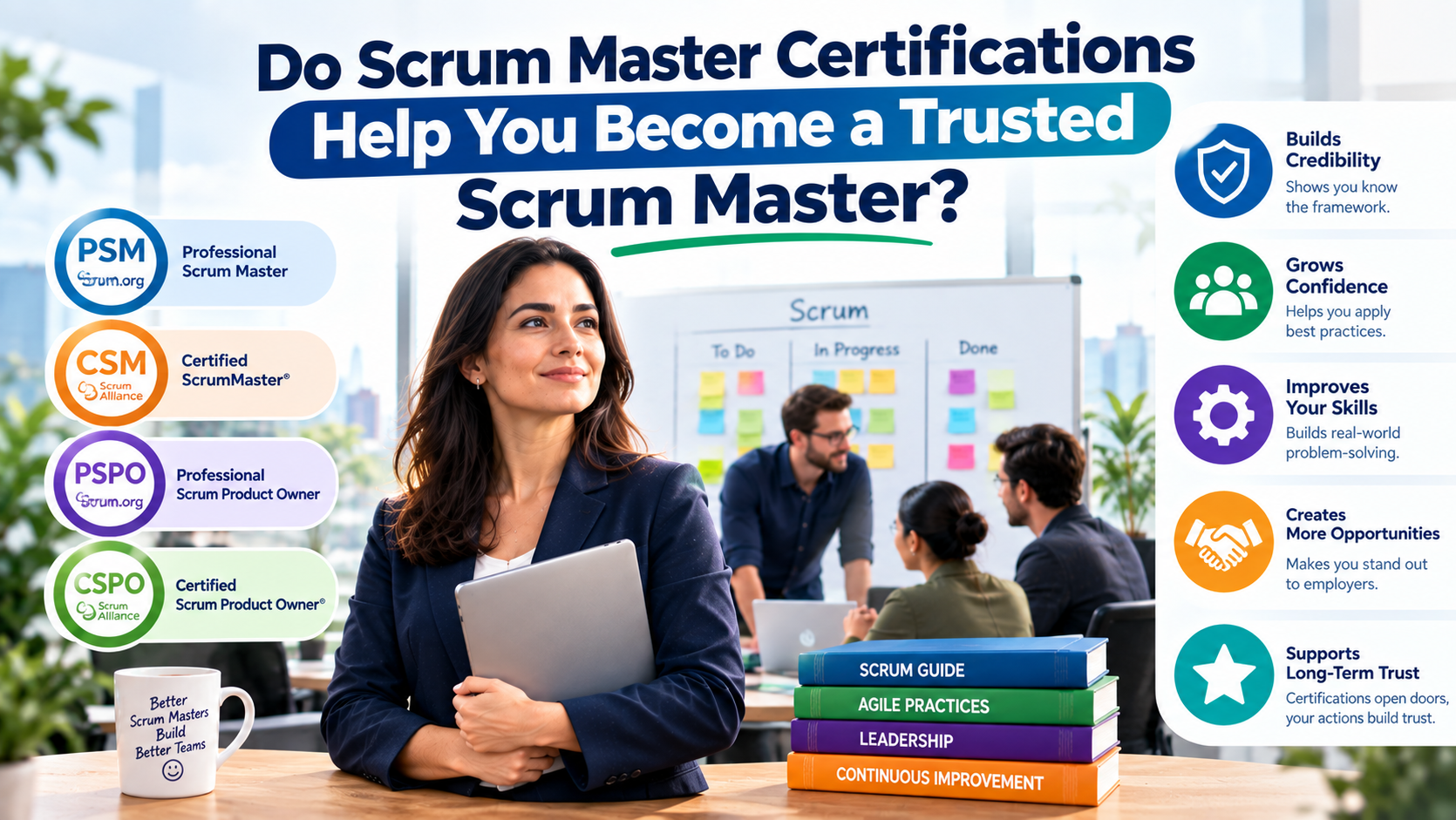
Certification is a trust shortcut for any aspiring trusted Scrum Master, not a trust substitute. It gives a hiring manager or sponsor a reason to give you a chance before they have seen you work. Paired with transparent behaviour and reliable delivery, it is a strong signal.
| Course | What it signals to leaders | Best suited to |
| Agile Scrum Foundation (BCS/EXIN) | Solid grasp of Scrum roles, events and artefacts, with a shared vocabulary | New Scrum Masters, BAs and project managers moving to Agile |
| Agile Scrum Practitioner (BCS/EXIN) | Ability to apply Scrum to real situations and make sound judgement calls | Team members and Scrum Masters with some experience |
| iSQI Scrum Master Pro Certification | Professional-level commitment to the Scrum Master role | Scrum Masters aiming for more complex, higher-stakes teams |
Not sure which path fits? Compare options on our courses page, browse the FAQs, or call 1300 649 299 to speak with a course advisor. You can also explore Logitrain’s Agile training courses and Agile Scrum training.
Trusted Scrum Master Opportunities Across Australia
Every capital city rewards trust, though the industries that value it most differ. Here is where a trusted Scrum Master tends to be in demand:
- Sydney: banking, fintech, technology and large digital transformation programmes.
- Melbourne: software, healthcare, education and professional services.
- Brisbane: government digital services, infrastructure and the growing pipeline linked to the 2032 Olympic and Paralympic Games.
- Perth: resources, energy and engineering technology teams.
- Adelaide: defence, advanced manufacturing and government digital work.
- Canberra: federal government agencies and digital delivery teams.
Wherever you are, live online and instructor-led training makes it easy to earn a recognised certification without stepping away from work. Learners in Hobart and Darwin can join live virtual classes too.
Frequently Asked Questions About Becoming a Trusted Scrum Master
What makes a trusted Scrum Master?
A trusted Scrum Master is someone teams and leaders rely on to surface problems early, protect the team’s focus and tell the truth about progress. Trust comes from repeated, visible behaviour: transparent impediments, honest forecasts, neutral facilitation and follow-through. Knowing the Scrum Guide matters, but reliability is what earns the next high-stakes project.
How long does it take to become a trusted Scrum Master?
There is no fixed timeline, but most people notice a shift after several months of consistent behaviour rather than a few weeks. Trust builds sprint by sprint. Helping one team hit a difficult release, and being open about the trade-offs along the way, is often the quickest route to being considered for something bigger.
Do I need a certification to be a trusted Scrum Master?
No, but a recognised certification lowers the proof leaders need before they back you. It shows you share a common language and understand the framework properly. Certification works best when combined with a track record of transparency and delivery.
Which Scrum Master certification is best for high-stakes projects in Australia?
That depends on your experience. Agile Scrum Foundation suits newcomers, Agile Scrum Practitioner suits people who already work in Scrum teams and want to apply it with more judgement, and iSQI Scrum Master Pro suits those aiming for professional-level Scrum Master competence. A course advisor can help you match the option to your role and industry.
Can a project manager or business analyst become a trusted Scrum Master?
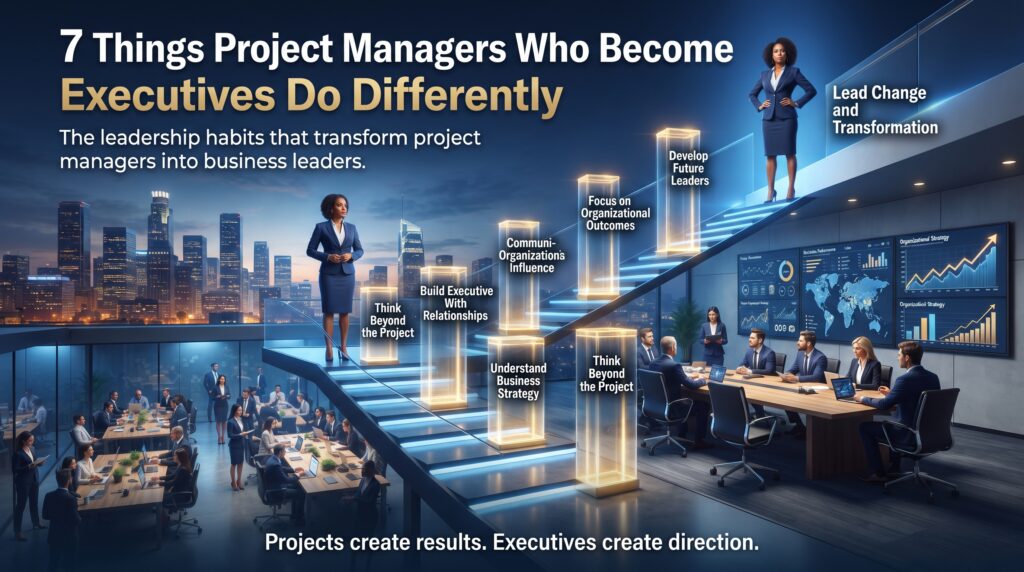
Yes. Project managers and business analysts often bring stakeholder skills, planning discipline and domain knowledge that Agile teams value. The main shift is moving from directing work to enabling the team, then proving it through open, honest facilitation.
Are online Scrum Master courses recognised by employers in Australia?
Yes. Live online and instructor-led courses lead to the same certification exams as classroom delivery, and employers in Sydney, Melbourne, Brisbane, Perth, Adelaide and Canberra recognise the certification itself, not the delivery format.
Final Thoughts: Trust Is the Real Career Advantage
Every trusted Scrum Master shares one trait: their word holds up. The Scrum Masters chosen for high-stakes work are rarely the ones with the busiest boards or the most polished ceremonies. They are the ones people believe. Start with what you control this sprint: surface problems early, forecast honestly, stay neutral and follow through. Then add a certification that gives leaders a recognised reason to say yes.
Ready to take the next step? Explore our Scrum Master courses, check training in your city, or contact our team for personalised advice. Your next high-stakes project could be closer than you think.